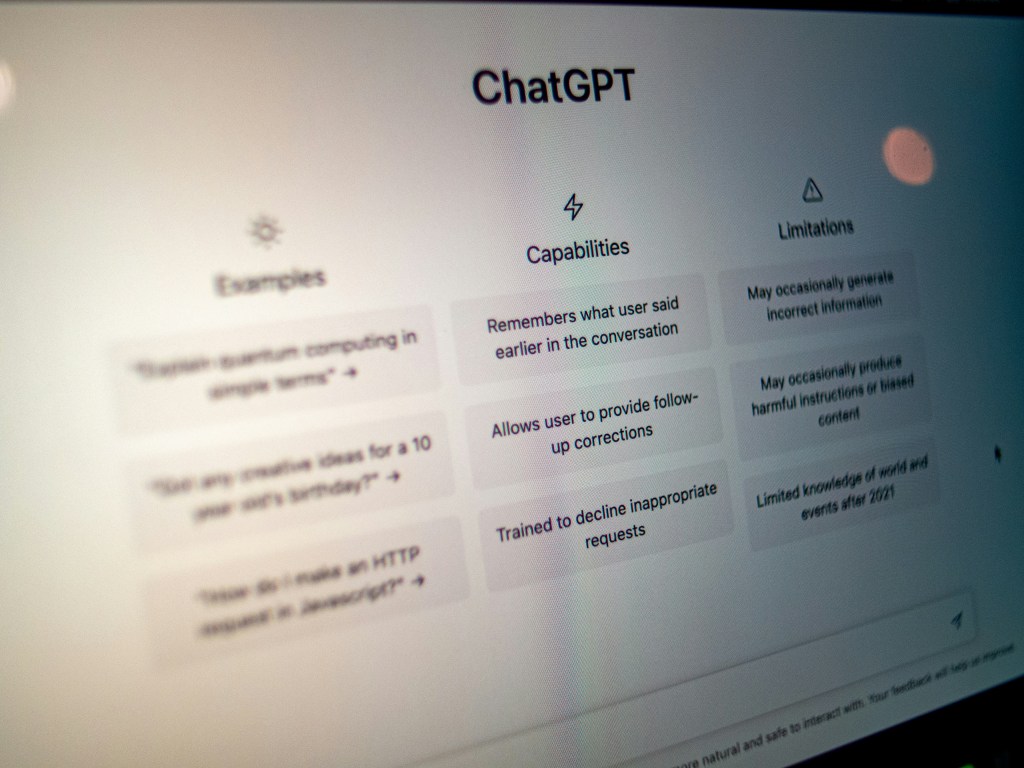
AI (Artificial Intelligence) is here to stay. Whether we like it or not, it’s becoming part of our daily lives. But what does this mean for you as a complementary or holistic therapist? Should you be using AI to support your marketing efforts? And if so, how can you do it without losing your unique voice or crossing ethical and environmental boundaries?
Let’s take a look.
First Things First: What is AI?
AI, or Artificial Intelligence, refers to computer systems that can perform tasks typically requiring human intelligence. This includes understanding language, recognising patterns, solving problems, and even generating content.
Even if you’ve never used AI tools like ChatGPT or Google’s Gemini to answer questions or create content, AI is still a part of your daily life—sometimes in ways you don’t even realise:
- Google search
- Siri and Alexa
- Netflix recommendations
- Posts from accounts you don’t follow appearing in your social media feed
Yup! All powered by AI.
When it comes to marketing, apps like ChatGPT and Gemini can save time, spark ideas, and improve the quality of your content. With a single prompt, ChatGPT can generate a year’s worth of social media posts – complete with hashtags – in seconds.
BUT (and this is important), while AI might feel like a magic wand, it isn’t. Why? Because without you, there is no magic.
The Golden Rule: AI is a Helper, Not a Replacement
You could ask AI to “write me a blog post about the benefits of [your therapy],” but what you get back won’t sound like you. It won’t reflect your passion, your style, or your connection with your clients.
This is because you are your biggest selling point – people come to you because of your energy, expertise, and authenticity, and your marketing should reflect this. And for this reason AI should be your creative collaborator, not your replacement.
There’s also an ethical question: is it right to pass off totally AI-generated content as your own without making it clear you haven’t had any creative input? My feeling is no, it’s not. Even if you struggle with writing, AI should still be used as a helper – to translate your thoughts into something your clients will value.
A Quick Note on AI’s Environmental Impact
Every time you use AI, energy is consumed. Processing AI requests requires electricity, and the data centres that handle these tasks need cooling systems – often using significant amounts of water. By carefully considering your AI usage instead of submitting requests randomly, you can better balance its benefits with an awareness of its environmental footprint.
How Should You Use AI to Market Your Business?
With all this in mind, here are some ways to use AI effectively and ethically to remove the stress from your marketing.
1. It’s Great at Generating Ideas
We all know the struggle of staring at a blank screen, waiting for inspiration. AI can help you brainstorm ideas for blog posts or social media content. The trick here is to be as specific and clear as possible.
So instead of:
“Generate 15 social media post ideas about the benefits of [your therapy].”
Try adding more detail:
“Suggest 15 social media post ideas about the benefits of [your therapy], avoiding medical claims. My clients are mainly women aged 45-65 seeking support for menopause and everyday stress.”
By being as specific as possible, the ideas AI suggests will be more aligned with your voice and your clients’ needs.
2. It Can Help You Outline Your Content
Once you’ve got some great ideas, you can either start writing or ask AI to create an outline to get you going. This is really handy for those tricky blog posts where it feels totally daunting and overwhelming to even figure out where to start! Using AI like this can save you time without losing the magic of your unique voice.
3. It’s a Great Sounding Board to Polish Your Writing
We’re not all natural writers, and this is where AI can be fantastic. Ask it to improve the content you’ve written. I often write out a blog using an AI-generated outline and then run it back through ChatGPT, asking for suggestions based on my style and what my clients value.
For example, if I were writing a blog about how stress can exacerbate menopausal symptoms, I might ask:
“Suggest improvements to this blog. Avoid jargon, keep the tone upbeat and lighthearted, and keep the blog to a two-minute read. My clients are mainly women aged 45-65 who are going through menopause and lead stressful lives. They want simple solutions and easy-to-understand explanations. Do not make any medical claims.”
By carefully considering what you want from AI and being as specific as possible, the suggestions you receive will feel much more authentic and relatable. And remember, you’re in control – you can accept or reject what the chatbot offers.
4. Create Meta Descriptions and Summaries
When posting a blog, you should be utilising a meta description (a brief summary that appears in search results). AI can help craft this. You can also use it to create short, snappy summaries of your blog for social media posts to encourage readers to click through to your website, which in turn can help you increase visitor numbers.
AI Could Be Your Marketing Ally
AI can be a game-changer for generating ideas, structuring content, and refining your writing. But it’s not here to replace your creativity, personality, or authenticity. Treat it as a helpful assistant; a brainstorming partner who can help you get unstuck and polish your work.
Key Takeaways:
- AI can’t replace the human touch. Relying on it entirely might make your marketing feel flat or impersonal. Clients want to connect with you.
- Fact-check everything. AI isn’t infallible. It may provide outdated or inaccurate information, so always double-check and reference sources where needed.
- Avoid medical claims. AI might generate claims about your therapy that breach UK Advertising Standards. Always review and remove anything problematic.
- Check spelling and phraseology. Most AI tools default to American English, so you may need to tweak content to align with UK spelling and phrasing.
- Be mindful of AI’s environmental impact. Use AI with intention, knowing that each task requires energy and resources.
With the right approach, AI can save you time, reduce stress, and help you create marketing content that truly reflects who you are and what your clients value – all while staying ethical, aligned with advertising standards, and mindful of the planet.
Why not give it a try? Use AI to brainstorm your next blog or social post, and see how it feels. Just remember: you’re the magic behind your marketing, not AI!
Have a great week,
Sarah x
Want to be kept in the loop with new blog posts?







 The Business Diary of a Holistic Therapist
Leave a comment